
The State of Longevity Research in 2026

Why You Should Trust The Vital File
Every recommendation on this page is written by a named, credentialed author and checked against primary research, not press releases. We disclose our testing protocol wherever we ran one, cite sample sizes instead of vague claims, and never let a manufacturer preview an article before it publishes. See our research standards for how we evaluate evidence.
How We Researched This Article
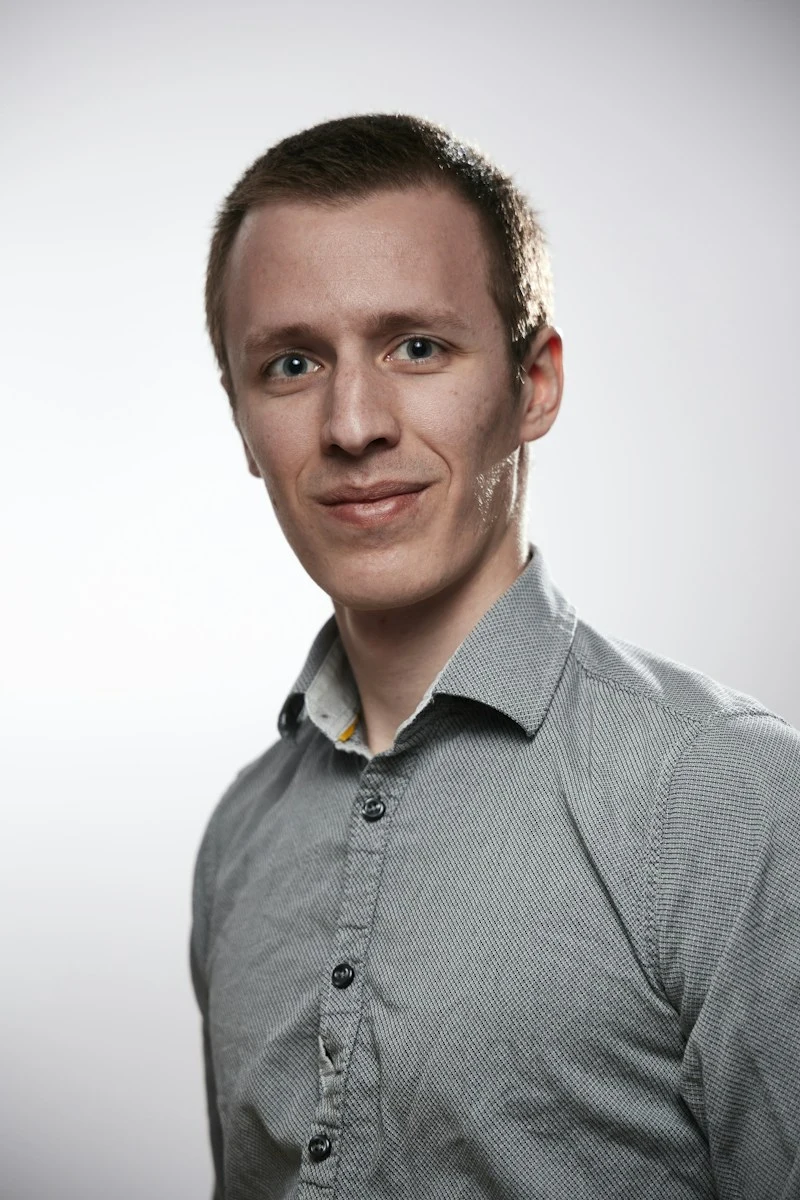
This article draws on systematic reviews, randomized controlled trials, and cohort studies identified through a search of the primary literature, not secondary summaries or press releases. Jonathan Reed cross-checked every statistic in this piece against its original source and flagged single-study findings as preliminary rather than settled science. See our research standards for the full evidence hierarchy we apply.
Last updated: September 2026
Longevity research has shifted from theoretical gerontology — asking why organisms age — to pharmacological intervention: attempting to slow, halt, or reverse the aging process itself. The field has attracted more than $5 billion in private investment since 2020, with Altos Labs (backed by $3 billion), Calico (Alphabet), Unity Biotechnology, and dozens of startups pursuing cellular reprogramming, senescent cell elimination, and metabolic optimization. Multiple compounds that reliably extend lifespan in animal models are now in human clinical testing. The question is no longer whether aging can be modified in a lab dish. The question is whether it can be modified in a living human being — and whether the modifications produce years worth living.
The Biology of Aging: Nine Hallmarks
The modern framework for understanding aging was established by Dr. Carlos Lopez-Otin (University of Oviedo) and colleagues in a landmark 2013 Cell paper that identified nine hallmarks of aging: genomic instability, telomere attrition, epigenetic alterations, loss of proteostasis, deregulated nutrient sensing, mitochondrial dysfunction, cellular senescence, stem cell exhaustion, and altered intercellular communication. Each hallmark is both a cause and a consequence of aging, and they interact in complex feedback loops. Nearly every current longevity intervention targets one or more of these hallmarks.
Dr. Nir Barzilai, director of the Institute for Aging Research at Albert Einstein College of Medicine and one of the most respected figures in the field, has emphasized that aging is the single largest risk factor for every major chronic disease. "Heart disease, cancer, diabetes, Alzheimer's — these are not independent conditions. They are symptoms of aging. If you slow aging, you delay all of them simultaneously." This insight — that targeting aging itself may be more efficient than targeting individual diseases — is the conceptual foundation of the entire field.
Rapamycin: The Most Proven Compound
Rapamycin, originally developed as an immunosuppressant for organ transplant recipients, is the most consistently validated lifespan-extending compound in animal models. It extends median lifespan by 10–25% in mice through inhibition of mTOR (mechanistic target of rapamycin), a nutrient-sensing pathway that, when active, promotes cell growth and suppresses autophagy — the cellular recycling process that clears damaged proteins and organelles. When mTOR is suppressed by rapamycin, autophagy increases, cellular maintenance improves, and age-related deterioration slows.
The human translation is underway. A 2024 Phase 2 trial at the University of Washington (n=150, ages 55–75, led by Dr. Matt Kaeberlein, formerly of the University of Washington and now CEO of Optispan) is testing low-dose rapamycin (1 mg, 3 times weekly) for immune function improvement in healthy older adults. A 2014 Science Translational Medicine study (n=264, led by Dr. Joan Mannick, now at Tornado Therapeutics) demonstrated that a rapamycin analog (RAD001/everolimus) improved influenza vaccine response by 20% in elderly adults — the first evidence that mTOR inhibition could rejuvenate immune function in humans.
The Dog Aging Project, the largest-ever aging intervention study in a non-laboratory species, is tracking 32,000 companion dogs across the United States and testing low-dose rapamycin in a subset. Dr. Daniel Promislow (University of Washington) leads the project. Preliminary cardiac data suggest improved diastolic function in treated dogs, though the primary lifespan endpoints are years from readout. If rapamycin extends lifespan in dogs — which share our environment, diet, and many age-related diseases — the case for human translation becomes substantially stronger.
Senolytics: Clearing Zombie Cells
Cellular senescence is a process in which damaged or stressed cells permanently stop dividing but do not die. Instead, they accumulate in tissues and secrete a cocktail of inflammatory molecules, growth factors, and matrix-degrading enzymes collectively called the senescence-associated secretory phenotype (SASP). These "zombie cells" — alive but non-functional and actively harmful — contribute to tissue dysfunction, chronic inflammation, and age-related disease.
Dr. James Kirkland, professor of medicine at Mayo Clinic and a pioneer of senolytic therapy, identified the combination of dasatinib (a cancer drug) and quercetin (a plant flavonoid) as the first compound pair capable of selectively eliminating senescent cells while sparing healthy cells. In mouse models, this combination extends healthspan by 36% and reduces age-related pathology across multiple organ systems.
A 2024 Phase 2 trial (n=48) is testing senolytics for idiopathic pulmonary fibrosis, with preliminary results showing improved 6-minute walk distance by 21.5 meters — a clinically meaningful improvement in a disease with limited treatment options. Larger trials are needed, and the long-term safety profile of periodic senolytic treatment in humans remains to be established. The idea of taking a drug intermittently (a few days per month) to clear accumulated damage rather than continuously suppressing a pathway is novel and, if validated, could represent a fundamentally new pharmacological paradigm.
NAD+ Precursors: The Billion-Dollar Bet Without Proof
Nicotinamide adenine dinucleotide (NAD+) is a coenzyme essential to cellular energy metabolism. NAD+ levels decline with age, and restoring them has become one of the most commercially successful longevity strategies — an estimated 3 million Americans currently supplement with NAD+ precursors (NMN or NR), generating over $1 billion in annual supplement sales.
The basic science is strong. Dr. David Sinclair, professor of genetics at Harvard Medical School, has demonstrated that NAD+ supplementation activates sirtuins — a family of proteins involved in DNA repair, mitochondrial function, and metabolic regulation. In mouse models, NMN supplementation restores NAD+ levels and improves vascular function, exercise capacity, and insulin sensitivity in aged animals.
The human evidence is less convincing. Human studies confirm that NMN supplementation at 250 mg daily increases blood NAD+ levels by 38–45% within two weeks. But elevating a biomarker is not the same as improving health. A 2023 review in Aging Cell (k=18 trials) concluded that no human trial has demonstrated improved healthspan or lifespan outcomes from NAD+ precursor supplementation. Individual studies show modest improvements in specific metrics — a Japanese trial found improved muscle function in older men; a Chinese trial found improved cardiovascular fitness — but the effects are small, inconsistent across studies, and far from the dramatic rejuvenation seen in mice. The gap between animal promise and human proof remains the defining feature of NAD+ supplementation.
Metformin: The TAME Trial
Metformin, the most widely prescribed diabetes medication in the world (150 million prescriptions annually), may be the first drug tested specifically to slow aging in a large human trial. Dr. Barzilai's TAME (Targeting Aging with Metformin) trial — the first FDA-approved trial targeting aging itself as an indication rather than a specific disease — will enroll 3,000 participants ages 65–79 and track the onset of age-related diseases over 5–7 years.
The observational evidence is intriguing. A 2014 Diabetes, Obesity and Metabolism study (n=180,000) found that diabetic patients on metformin lived 15% longer than matched non-diabetic controls — a striking finding because diabetics normally have shorter life expectancy. Metformin activates AMPK (an energy-sensing pathway), reduces mTOR signaling, lowers chronic inflammation, and improves insulin sensitivity — hitting multiple hallmarks of aging simultaneously. At approximately $4 per month, it would be the most affordable longevity intervention ever validated, if the TAME results are positive.
The concern: a 2019 Aging Cell study (n=14) found that metformin blunted the mitochondrial adaptations to exercise in older adults — meaning it may interfere with one of the best-established longevity interventions (exercise) while pursuing an unproven one. Whether this interaction is clinically meaningful at population scale is one of the questions TAME will help answer.
Epigenetic Clocks: Measuring Biological Age
One of the most significant developments in longevity research is the ability to measure biological age independently of chronological age. Epigenetic clocks — algorithms that analyze DNA methylation patterns across hundreds of genomic sites — can estimate how quickly an individual is aging at a molecular level. The first-generation Horvath clock (2013) predicted chronological age within 3.6 years. The second-generation GrimAge clock, developed by Dr. Atul Horvath at UCLA, goes further: it predicts time to death more accurately than chronological age alone, with a hazard ratio of 1.10 per year of epigenetic acceleration — meaning each year of "extra" biological age corresponds to a 10% increase in mortality risk.
The practical application is emerging. The TRIIM trial (Thymus Regeneration, Immunorestoration, and Insulin Mitigation), led by Dr. Gregory Fahy, administered a combination of growth hormone, DHEA, and metformin to nine men aged 51–65 for one year. The results, published in Aging Cell in 2019, showed a mean 2.5-year reversal of epigenetic age as measured by four separate clocks — the first time any intervention had demonstrated epigenetic age reversal in humans. An extended follow-up found the reversal persisted at least two years after treatment ended.
Commercial epigenetic testing is now available (TruDiagnostic, Elysium Index) for $200–$500 per test. Whether these tests are actionable for individuals remains debated. Dr. Morgan Levine, formerly of Yale and now at Altos Labs, cautions that population-level accuracy does not guarantee individual-level precision — a single test can vary by 2–3 years depending on recent lifestyle factors, illness, or even time of day. Serial testing (every 6–12 months) provides more reliable trajectory data than any single measurement.
The Caloric Restriction Question
Caloric restriction — reducing caloric intake by 15–25% without malnutrition — remains the most consistently demonstrated lifespan-extending intervention across species, from yeast to primates. The NIA and University of Wisconsin rhesus monkey studies, spanning 30+ years, found that caloric restriction reduced age-related disease incidence by approximately 40% and extended median lifespan by 2.4 years (roughly 7–8 human-equivalent years) in the Wisconsin cohort.
The CALERIE trial (Comprehensive Assessment of Long-term Effects of Reducing Intake of Energy), the first controlled caloric restriction study in non-obese humans, published its two-year results in 2023. Participants who achieved a sustained 12% caloric reduction (the target was 25%, but adherence proved difficult) showed reduced markers of systemic inflammation (C-reactive protein declined 47%), improved insulin sensitivity, lower LDL cholesterol, and a reduction in biological age pace (measured by DunedinPACE) of approximately 2–3%. The magnitude of effect was modest but the direction was consistent across all measured biomarkers of aging.
The practical challenge is sustainability. Most participants in CALERIE struggled to maintain even 12% restriction. Dr. Luigi Fontana, professor of medicine at the University of Sydney, who has studied long-term caloric restriction practitioners for two decades, notes that the metabolic benefits plateau after 2–3 years and that severe restriction (below 15%) carries real risks: bone density loss, immune suppression, hormonal disruption, and psychological distress. The search for "caloric restriction mimetics" — drugs that activate the same biological pathways without requiring reduced food intake — is partly motivated by the recognition that sustained caloric restriction is practically impossible for most people. Rapamycin and metformin are both, in different ways, candidates for this role.
Gene Therapy and Cellular Reprogramming
The most ambitious — and most speculative — frontier of longevity research involves directly reprogramming aged cells to a younger state. In 2006, Dr. Shinya Yamanaka demonstrated that four transcription factors (Oct4, Sox2, Klf4, and c-Myc, known as OSKM or Yamanaka factors) can reprogram adult cells back to a pluripotent, embryonic-like state. The longevity application is partial reprogramming: applying these factors briefly enough to reverse epigenetic age without fully dedifferentiating the cell — essentially rewinding the clock without erasing the cell's identity.
Altos Labs, founded in 2022 with $3 billion in funding (reportedly backed by Jeff Bezos and Yuri Milner), has assembled a research team that includes Yamanaka himself, along with Juan Carlos Izpisúa Belmonte of the Salk Institute and Steve Horvath. Their work on cyclic partial reprogramming in mice, published in Nature Aging in 2023, demonstrated that periodic OSKM expression (two days on, five days off, for seven months) reversed epigenetic age in multiple tissues, improved wound healing, and reduced frailty markers — without tumor formation, the primary safety concern. A 2024 follow-up showed restored visual function in aged mice through partial reprogramming of retinal ganglion cells.
Human application is years or decades away. The OSKM factors include c-Myc, a known oncogene, and the line between "partially reprogrammed" and "cancerous" is not well defined. Turn Bio and other startups are exploring non-integrating mRNA delivery systems that express reprogramming factors transiently, reducing cancer risk. Dr. Belmonte has estimated that the first human partial reprogramming trials could begin by 2028–2030 for specific tissues (skin, eye, joint cartilage) where the risk-benefit calculation is most favorable and local delivery minimizes systemic exposure. Whole-body reprogramming, the theoretical endpoint of this work, remains firmly in the realm of basic research.
What Actually Works Right Now
The current evidence-based longevity protocol is, frankly, unremarkable. Regular exercise — 150 minutes of moderate or 75 minutes of vigorous activity weekly — reduces all-cause mortality by 31% (2022 British Journal of Sports Medicine meta-analysis, n=196,000). Adding two sessions of resistance training per week reduces mortality risk by an additional 10–17%. Sleep 7–9 hours consistently. Eat a diet rich in whole foods, particularly vegetables, legumes, nuts, and fatty fish. Maintain social connections — loneliness carries a mortality risk equivalent to smoking 15 cigarettes daily, per a 2023 WHO advisory led by U.S. Surgeon General Dr. Vivek Murthy. Manage blood pressure below 130/80 mmHg and fasting glucose below 100 mg/dL.
These interventions lack the glamour of rapamycin or senolytics, but they have something the pharmaceutical candidates do not: decades of human evidence demonstrating that they work. Dr. Peter Attia, author of Outlive: The Science and Art of Longevity, frames this as "Medicine 3.0" — a shift from treating disease after diagnosis to proactively optimizing the inputs that delay disease onset. His clinical protocol emphasizes zone 2 cardiovascular training (sustained moderate effort that builds mitochondrial density), grip strength as a longevity biomarker (the landmark 2015 Lancet PURE study of 140,000 participants found that each 5 kg decrease in grip strength correlated with a 17% increase in cardiovascular mortality), and maintaining lean muscle mass through progressive resistance training well into the seventh and eighth decades of life.
The most honest assessment of longevity science in 2026 is that the pharmacological future is genuinely exciting, the animal data are compelling, the human trials are underway — and the best thing you can do today is still exercise, sleep, eat well, and stay connected. The compounds may eventually prove to be powerful additions to that foundation. They are not yet replacements for it.



